
Getting a $5000 credit limit card with bad credit can feel like a long shot, but it’s definitely doable. Lots of folks with poor credit are actually looking for high-limit cards for bad credit. They want to rebuild their finances, handle bigger costs, or boost their credit score by improving that utilization ratio. This guide breaks down the real ways you can get approved for a decent credit line, even with past credit problems. We’ll look at specific card options and the smart steps to take. We’ll check out secured cards (which need a cash deposit) and unsecured cards for people with lower scores. Plus, we’ll cover the key habits that can help you get a credit limit increase later on.
Here’s what we’ll cover:
- First, let’s understand bad credit and how a $5000 credit limit card fits in.
- Next, how to actually qualify and apply for one of these cards.
- Then, how to use your card to really boost your credit score.
- We’ll also talk about the risks, the fees, and how to manage your card responsibly.
- We’ll compare some of the top card options for rebuilding credit.
- Finally, we’ll answer some common questions about getting a $5000 credit limit card with bad credit.
Understanding Bad Credit and $5000 Credit Limits
What Defines a Bad Credit Score?
Core Concept: So, what’s a bad credit score? Basically, if your FICO score is under 580, that’s seen as poor or bad credit. That score tells lenders you’re a riskier bet.
They look at your past—maybe you paid bills late, maxed out cards, had accounts sent to collections, or filed for bankruptcy. As Dr. Sarah Johnson, a finance expert at UPenn, points out, most cards for bad credit aim for the subprime tier.
That’s usually scores from 580 up to 669. But dip below 580, and your choices for unsecured cards get really tight. Before you even think about applying for a new card—like a high limit credit card for bad credit—grab your free report from AnnualCreditReport.com. You gotta know exactly what’s hurting your score first.

Is a $5000 Limit Realistic with Poor Credit?
Realistic Assessment: Let’s be real: if your credit history is truly poor (think FICO under 580), snagging an unsecured card with a $5000 limit right off the bat is pretty unlikely. Lenders have other ways to protect themselves from the risk.
But don’t lose hope! You can still get to a $5000 credit line. You’ve got two main paths: either go for a secured card where you put down a cash deposit, or start with a lower-limit unsecured card meant for rebuilding, one that can grow over time.
The trick is to keep your expectations in check and pick cards that are stepping stones. I remember my own rebuild. After some money troubles, my first card was a secured one with just a $300 deposit.
I used it consistently for about a year and a half. Then, it converted to unsecured and my limit jumped to $2,000.
Types of $5000 Limit Cards for Bad Credit Borrowers.

Secured Cards: The Foundation Builder
Strategic Path: Here’s how a secured card works: you make a refundable security deposit, and that deposit usually sets your credit limit. So, if you’re aiming for a $5000 limit, you’d need to come up with a $5000 deposit.
This is the most straightforward way for folks with bad credit to get a specific, higher limit right away. The card issuer holds onto your deposit as collateral, which cuts their risk way down. The good news?
These cards usually report to all three big credit bureaus. So, using one responsibly becomes a super tool for fixing your credit. Popular picks include the Discover it® Secured Card or the Capital One Platinum Secured Card.
Sometimes, Capital One might even give you a line higher than your deposit if you qualify. Cards like these are great for building a solid payment history.

Unsecured Cards for Credit Rebuilding
Gradual Progression: Now, unsecured cards for bad credit don’t need a deposit. But they usually start with really low limits—think $300 to $1,000. Getting to a $5000 limit with these is a longer game. It’s all about responsible use over time.
Watch out, though. These cards can come with higher fees and interest rates, so reading the fine print is a must. Your goal? Use the card lightly, pay off the full balance each month, and show you’re reliable.
Stick with perfect payments for 6 to 12 months, and many card companies will automatically check your account for a limit increase. A 2022 report from the Consumer Financial Protection Bureau backs this up.
It found that paying on time, every time, is the biggest thing that triggers those automatic reviews for a higher line.

So, you want to know how to get approved for that $5000 credit limit card, even with bad credit? Let’s break it down.
Pre-Qualification and Soft Pulls
First up, take a risk-free step. Before you officially apply, look for pre-qualification offers on the card company’s site. They do a soft pull for this, which won’t ding your credit score. It just gives you a sneak peek at which cards you might get.
This is super important if your credit’s not great. It helps you dodge those hard inquiries that come with a flat-out no. When you’re looking online, try searching for stuff like credit cards for poor credit pre-qualify to find these tools.
Spot a pre-qualified offer for a card that can graduate or boost your limit? That’s a good sign you could work your way up to that $5000 credit limit.
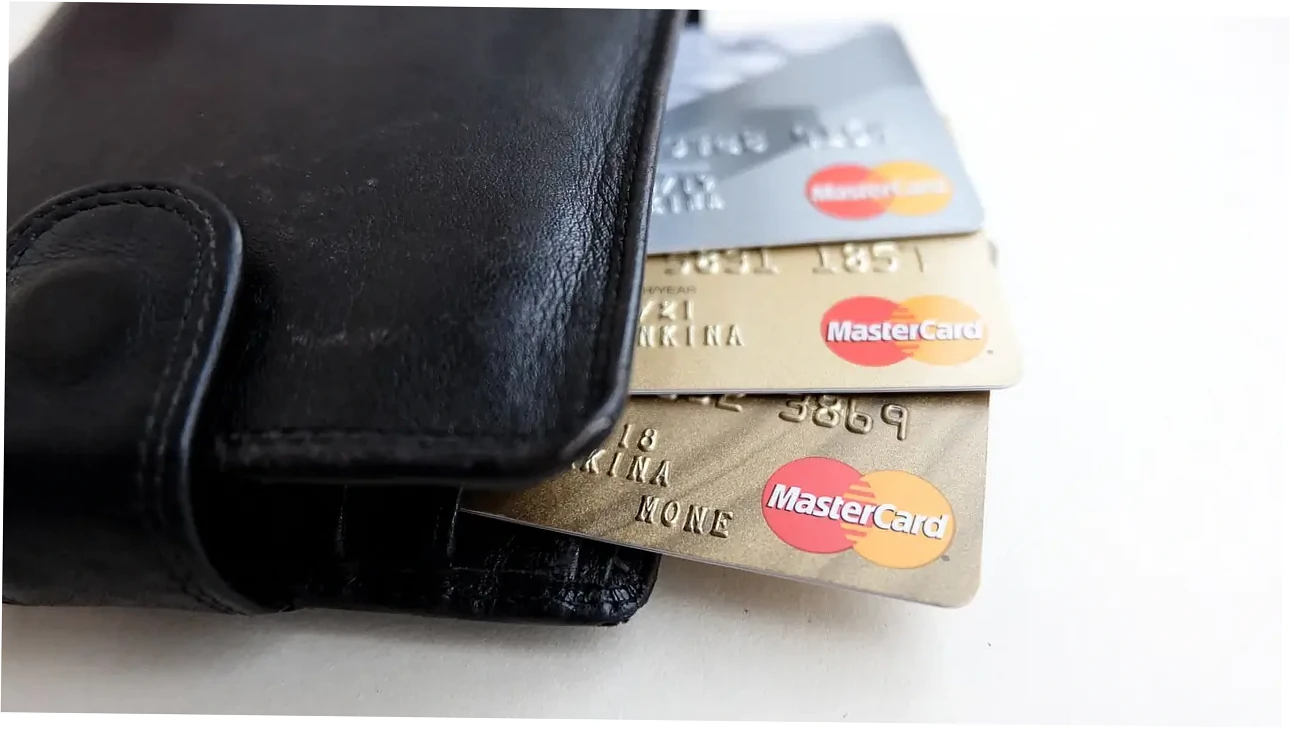
Essential Application Documentation
Here’s the key: get your paperwork together. Being prepared boosts your chances of getting a card that can grow into a high-limit one. You’ll need your Social Security Number, proof of how much you make (like recent pay stubs).
and what you pay for housing each month. Even with a low score, showing you have a steady, provable income is huge. It lets them know you can handle the payments. Just be totally honest and accurate on the form.
If things don’t match up, they might just deny you. Oh, and if you’re going for a secured card, they might ask where the money for the deposit is coming from.
| Requirement | Purpose | Example Documents |
|---|---|---|
| First, prove who you are. | They need to make sure you’re really you. | A driver’s license or your Social Security card works. |
| Next, show them you have an income. | This is to see if you can afford the monthly bills. | Bring your pay stubs, bank statements, or a W-2 form. |
| You also gotta prove where you live. | It confirms you have a stable place. | A utility bill or your lease agreement will do the trick. |
| For secured cards, get ready for a security deposit. | This deposit acts as collateral, so the lender takes less risk. | You’ll usually need the money from your checking or savings account. |
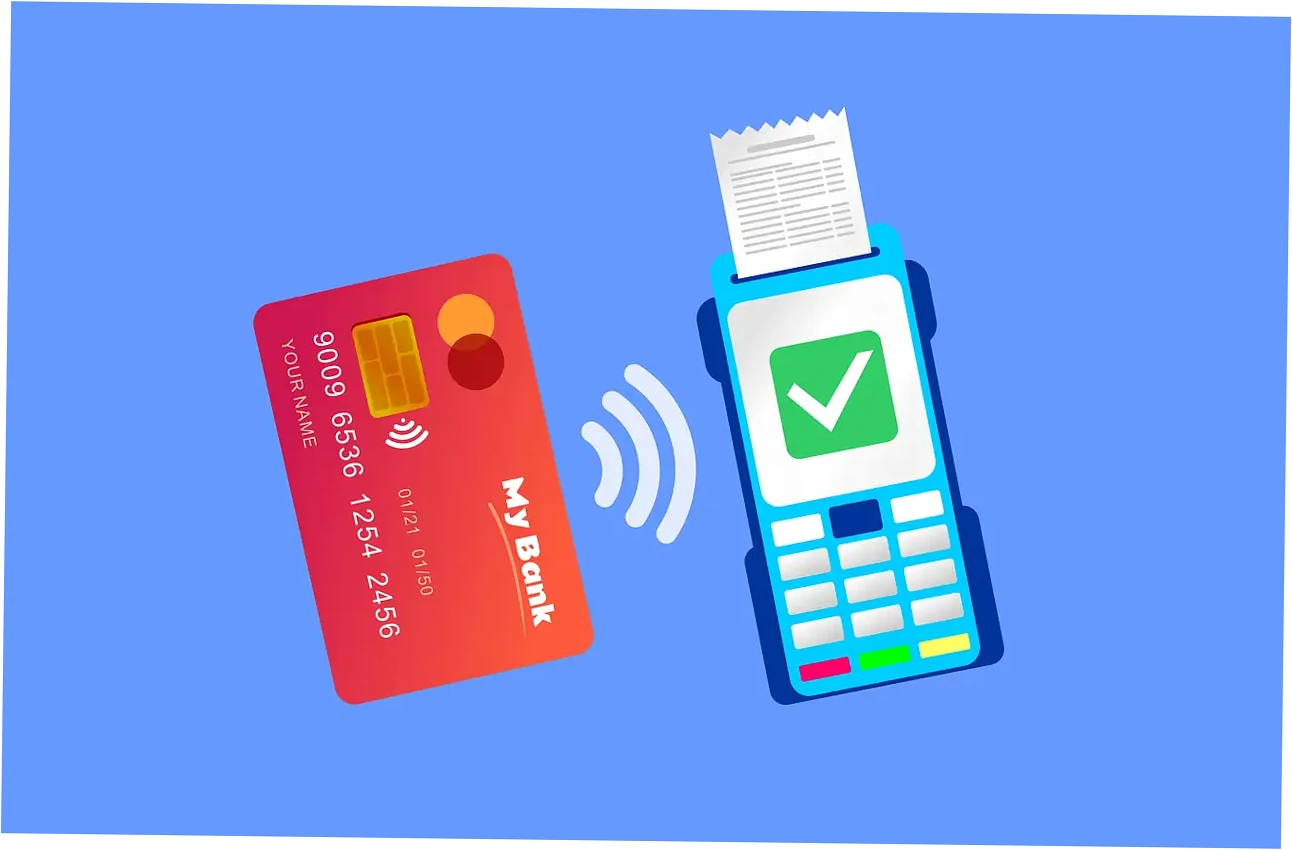
Let’s talk about how to get the most out of your card to boost your credit score.
First up, two key things: the 30% rule and paying on time.
Here’s the core plan to quickly improve your score and get ready for higher limits. You need to nail two habits. First, keep your card usage under 30%. Second, never miss a payment. Why is paying on time so crucial?
Well, your payment history is the biggest chunk of your FICO score—it makes up 35%. So, set up autopay for at least the minimum amount. That way, you’ll never forget a payment. Now, about that 30% rule.
Say your starting limit is $500. Try to keep your balance below $150 when the statement comes. For an even better boost, pay off most of the balance before your statement date. That way, a really low number gets reported. Doing this shows the credit bureaus and your bank that you’re in control.

Next, let’s discuss asking for a higher credit limit.
Here’s a proactive move. After you’ve managed your account perfectly for 6 to 12 months, go ahead and ask for a limit increase. Just call the customer service number on your card. Be ready to make your case.
Mention your perfect payment record, your low balances, and any raise in your income. A heads-up: some banks might do a hard credit check for this. So, ask them upfront if it’ll be a soft or hard inquiry.
If you get that increase, it’s a win-win. You get more available credit, which automatically lowers your overall credit usage and gives your score another lift. Keep your eye on the prize: a $5000 credit limit card for bad credit recovery. This is a smart step to get you there.
| Time Period | Action | Expected Outcome |
|---|---|---|
| Starting out (Month 0) | You open a secured card with a deposit of $500 to $2000. | Your starting credit limit matches your deposit. |
| The first six months (Months 1-6) | Use the card for small buys and pay the full balance every single month. | You’ll start to see your credit score climb. |
| The next phase (Months 6-12) | Keep up that perfect payment streak and stick to using less than 30% of your limit. | Your bank might even give you an automatic limit increase. Your score keeps getting better. |
| Month 12 | Now, you can ask for a credit line increase or see about switching to a better card. | Your limit could jump to the $2000-$5000 range. Your secured card might even graduate to a regular, unsecured one. |

Risks, Fees, and Responsible Management
Understanding High Costs and Pitfalls
Here’s a key thing to know: if your credit is damaged, the cards you can get usually cost you more. You’ve really got to check that Schumer Box closely—that’s where they spell out all the terms and fees.
You’ll often see high yearly fees, monthly charges, and extra program fees. The interest rate (APR) is high too, sometimes even over 30%. The big risk? If you carry a balance, your debt can shoot up fast.
That can wipe out all the progress you’re trying to make on your credit score. The CFPB points out a problem: cards with lots of fees can eat up most of your credit limit. That high credit utilization hurts your score.

Choosing a Card with a Path to Graduation
Think long-term. The best cards for fixing your credit are the ones that help you graduate. Maybe they switch from secured to unsecured and give your deposit back.
Or they might automatically review you for a higher limit, without charging an annual fee. You want a card that reports to all three credit bureaus—Experian, Equifax, and TransUnion. Pick one known for rewarding people who pay on time.
Steer clear of cards loaded with fees and no escape route. It’s a good sign if a major network like Visa or Mastercard backs the card, even if there’s no special GRA certificate. What really certifies it as good for rebuilding?
It reports your payments to the bureaus and has features that actually help you get back on track financially.
Let’s compare the top card options for rebuilding your credit.
First, let’s look at secured cards versus unsecured starter cards.
To make a smart choice and get that $5000 credit limit, you need to compare what’s out there. Secured cards are a safer bet for a higher limit. You put down a deposit, which makes the bank feel better.
so they might give you rewards or charge lower fees. Unsecured cards for bad credit don’t need a deposit upfront, but they’ll likely start you with a low limit and cost you more in fees.
So, pick based on how much cash you have for a deposit and how disciplined you are with spending. Got $500 for a deposit? A secured card gives you a stronger and more controlled start.
| Feature | Secured Card (e.g., Discover it® Secured) | Unsecured Card for Bad Credit (e.g., Credit One Bank®) |
|---|---|---|
| Starting Credit Limit | Usually matches your deposit, say from $200 up to $5000. | Often pretty low, like $300 to $1000. |
| Need a Deposit? | Yep, and you get it back. | Nope. |
| How to Get to a $5000 Limit | You could start there with a big deposit, or get increases later as the card graduates. | You’ll need to ask for several limit increases over time. |
| Common Fees | Might have low or even no annual fee. | They often hit you with higher yearly or program fees. |
| Reports to Credit Bureaus | Yes, reports to all three major bureaus. | Yes, reports to all three major bureaus. |
Don’t forget to check out reviews and real user stories.
Do your homework before applying. Look up what real people say on places like Reddit’s r/CRedit or good review sites. See if you spot patterns. Do folks get limit raises after behaving well? Any hidden fees?
Is the customer service any good? Take Mark T., for example. He posted online, I got a $500 secured card from my local credit union. After 10 months of paying on time.
they gave my deposit back and bumped my limit up to $2500, without me asking! Stories like his are super helpful for knowing what to really expect.
So, getting a $5000 limit card with bad credit takes a few steps. Focus on a secured card with a big deposit, or an unsecured one if you’re disciplined about growing your limit. The key is always paying on time and keeping your balances low.
Watch out for high fees and interest—they’re common traps. But picking a card that can graduate and using it wisely can really turn your finances around. You’ll need patience and discipline, but getting higher limits and better credit scores is totally doable.
Ready to start rebuilding your credit? Let us know in the comments: does the secured deposit or unsecured rebuilding path sound right for you? Or, check out our detailed guide on How to Ask for a Credit Limit Increase for your next move!
FAQ: $5000 Credit Limit Cards with Bad Credit
So, you’re wondering if you can snag an unsecured credit card with a $5000 limit even with bad credit?
Honestly, getting approved for an unsecured card that starts at $5000 is a long shot if your credit score is poor, like under 580. Banks see that as pretty risky.
Your real choices are a secured card—you put down a $5000 deposit to get that limit—or a basic unsecured card for rebuilding credit. Those usually start small, maybe $300 to $1000. But if you pay perfectly for a year or two, you might get that limit raised to $5000.
What’s the quickest path to a $5000 credit limit when your credit’s not great?
The surefire, fastest way is to go for a secured credit card and hand over a $5000 security deposit. That deposit instantly sets your credit limit to $5000, so you get that line of credit right away. Several big banks offer this.
It’s more about having the cash for the deposit than your credit score, which makes it the speediest option.
Do high-limit secured cards actually help you build credit?
Yes, for sure. A secured card with a $5000 limit reports your payments to all three credit bureaus—Experian, Equifax, and TransUnion—just like a regular card does. Use it right: keep your balance low and pay on time every single month.
This boosts your payment history and credit utilization, which are the biggest parts of your FICO score. Plus, lots of secured cards can graduate to become unsecured after you show good habits for a while, and you’ll get your deposit back.
What credit score do you need for a $5000 limit card?
For an unsecured card that starts you at $5000, lenders usually want a good or excellent score—think 670 or higher. But if your score is bad, below 670, you still have routes to $5000.
You can get a secured card (no minimum score, just needs the deposit), or start with a low-limit rebuilding card and work your way up over time. To get approved for that rebuilding card in the first place, you often need a fair score, somewhere between 580 and 669.
